
Gorilla trekking in Rwanda or Uganda? Compare permit costs, travel time, trekking difficulty and lodges to choose the right mountain gorilla safari for you.
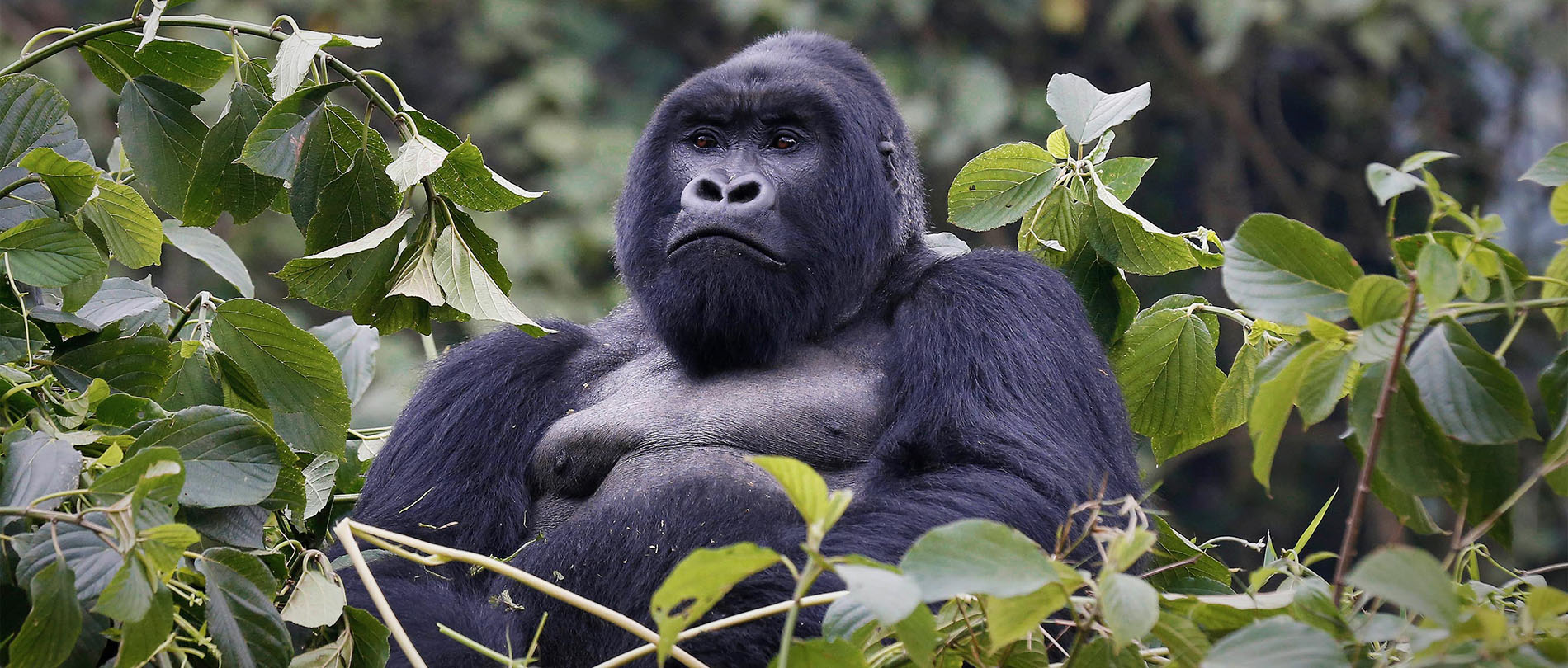
Sitting a few metres from a family of wild mountain gorillas is one of the most moving wildlife encounters on Earth. Only around a thousand of these great apes survive, all in the misty volcanic forests where Rwanda, Uganda and the Democratic Republic of Congo meet. For most travellers the real choice is between Rwanda's Volcanoes National Park and Uganda's Bwindi Impenetrable National Park. Both deliver an unforgettable hour with the gorillas, but the experience around that hour is quite different.
Gorilla Permit Costs: Rwanda vs Uganda
The permit is the single biggest cost of any gorilla safari. It gives you one hour with a habituated gorilla family, accompanied by a ranger and trackers.
- Rwanda: around US$1,500 per person per trek. The higher price funds conservation and community projects, and keeps visitor numbers low.
- Uganda: around US$800 per person per trek for foreign non-residents, making it the more affordable option, especially for couples and families.
Permit prices are set by each country's wildlife authority and can change, so we always confirm the current rate when we reserve your permits. Permits are limited and sell out months ahead in peak season, so book early.
Getting There and Travel Time
Rwanda wins on convenience. Volcanoes National Park is roughly a 2.5 to 3 hour drive from Kigali International Airport on good roads. A 3 or 4 day trip is enough for a trek plus time in Kigali, which makes Rwanda ideal if you are short on time or adding gorillas to a Kenya or Tanzania safari.
Uganda takes longer to reach. Bwindi is a long drive from Entebbe or Kampala (a full day on the road), though short domestic flights to airstrips near the park cut this to about an hour and a half. The reward is more variety along the way.
The Trek Itself
In both countries you set off after an early-morning briefing, in small groups of up to eight visitors per gorilla family. Treks can take anywhere from 30 minutes to several hours depending on where the gorillas are feeding.
- Volcanoes National Park (Rwanda) is bamboo and open forest on the slopes of the Virunga volcanoes: steep in places, but usually easier going underfoot.
- Bwindi (Uganda) lives up to the name "Impenetrable": dense, steep, often muddy rainforest. It is more physically demanding, and it feels wilder.
Porters are available at both parks for a small fee. We recommend hiring one: they carry your bag, help on steep sections and it directly supports local families.
More Than Gorillas
Uganda is often called the "Pearl of Africa" for good reason. You can combine gorillas with chimpanzee trekking in Kibale Forest, tree-climbing lions in Queen Elizabeth National Park and the thundering Murchison Falls. Rwanda pairs beautifully with golden monkey tracking in Volcanoes, the moving Kigali Genocide Memorial and a relaxing stay on Lake Kivu.
Where to Stay
Both countries offer everything from comfortable mid-range lodges to some of Africa's most exclusive forest retreats. Rwanda leans towards high-end luxury near Volcanoes, while Uganda offers excellent value across all levels around Bwindi. Our gorilla packages come in several tiers so you can match your lodge to your budget.
So Which Should You Choose?
- Choose Rwanda if you have limited time, want an easier journey and prefer a polished, luxury experience.
- Choose Uganda if you want better value, a wilder trek and the chance to add chimpanzees and classic savannah wildlife.
Our Gorilla Trekking Safaris
Gemsbok Safaris arranges permits, transfers, guides and lodges for you. Explore our trips:
- Fly-In Gorilla Safari: Rwanda 4 Star
- Gorilla Safari Rwanda: 5 Star and Rwanda Luxe
- Fly-In Gorilla Safari: Uganda 4 Star and Uganda Luxe
- 5 Days Gorillas & Chimps in the Mist
Or browse all our Rwanda and Uganda trips.
Gorilla Trekking FAQs
What is the best time of year for gorilla trekking?
Trekking runs year-round. The drier months, June to September and December to February, offer easier trails, while the wetter months bring lusher forest and fewer visitors.
Is there a minimum age?
Yes. Trekkers must be at least 15 years old in both Rwanda and Uganda.
How fit do I need to be?
A reasonable level of fitness helps, especially in Bwindi. Rangers try to match groups to ability, and walking sticks and porters make a real difference.
What should I wear?
Long trousers, a long-sleeved shirt, sturdy waterproof hiking boots, gardening-style gloves for gripping vegetation, and a light rain jacket.